
Hitches and trailers
Bumper-pull, gooseneck and fifth-wheel hitches, safety chains, trailer brakes and wiring: what Alberta requires and what good practice looks like.
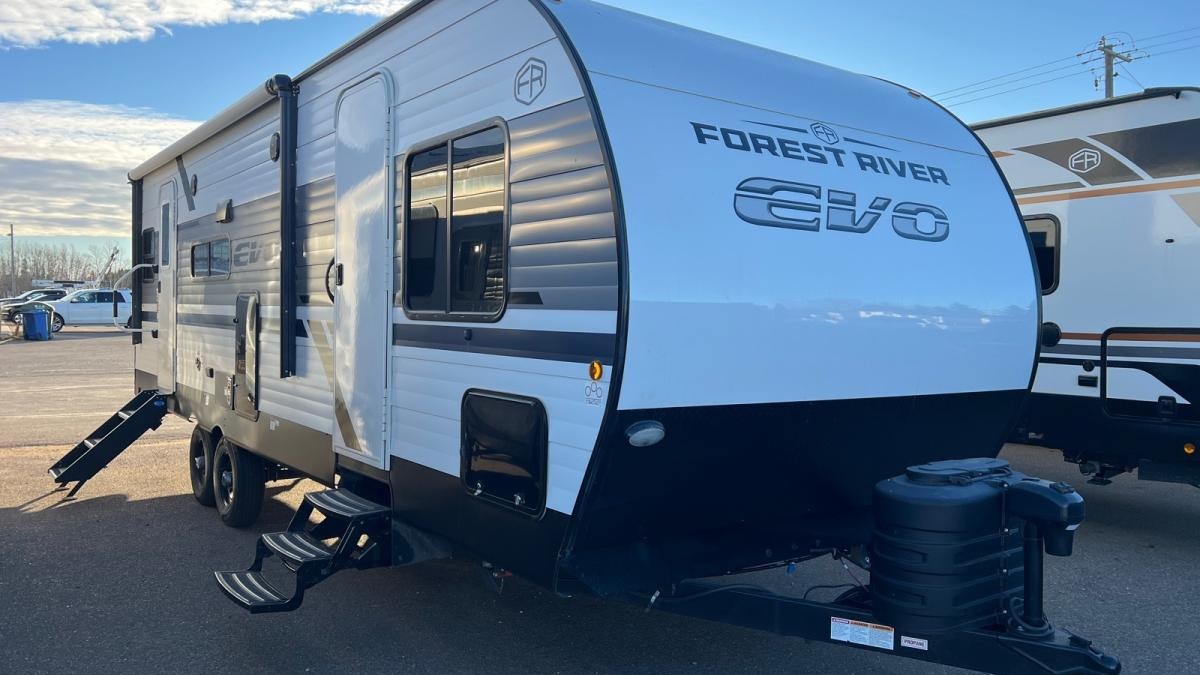
The hitch is where the truck and trailer meet, and it's where a lot of towing problems start. Here are the basics, with what Alberta law requires.
Hitch types at a glance
| Type | Where it mounts | Typical tongue or pin weight* |
|---|---|---|
| Conventional (bumper pull, receiver) | Receiver behind the rear bumper | 10–15% of loaded trailer weight |
| Gooseneck | Ball in the truck bed, over or just ahead of the rear axle | 15–25% |
| Fifth wheel | Kingpin plate in the truck bed, near the rear axle | 15–25% |
*Ranges from Chevrolet Canada's 2026 Trailering Guide. Some trailers, such as boat trailers, differ, so follow the trailer's manual.
What Alberta requires
- Two separate means of attachment, so the trailer can't come loose if one fails (Vehicle Equipment Regulation, section 98). Fifth wheels are exempt from the second attachment.
- Brakes on heavier trailers. When towing with a private passenger vehicle, the trailer needs brakes if it's over 910 kg and at least half the tow vehicle's unladen weight. Those brakes must apply automatically on breakaway and hold for at least 15 minutes (section 56).
- Size limits. No trailer wider than 2.6 m or taller than 4.0 m, and no combination longer than 20 m, with some exceptions (section 97).
Read the full text in the Vehicle Equipment Regulation. These rules are for private towing. Commercial vehicles have their own.
Good habits
- Cross the safety chains under the tongue, and don't let them drag.
- Use a weight-distributing hitch with sway control for big travel trailers when your truck maker recommends one.
- Check the trailer wiring plug for corrosion every season.
Guides in this section
Our first in-depth guides for this section are being written and fact-checked now. In the meantime, start with the overview above or browse all guides.