
Towing capacity explained
What GVWR, GCWR, GAWR, payload and tongue weight mean, and how they decide what your truck can safely tow.
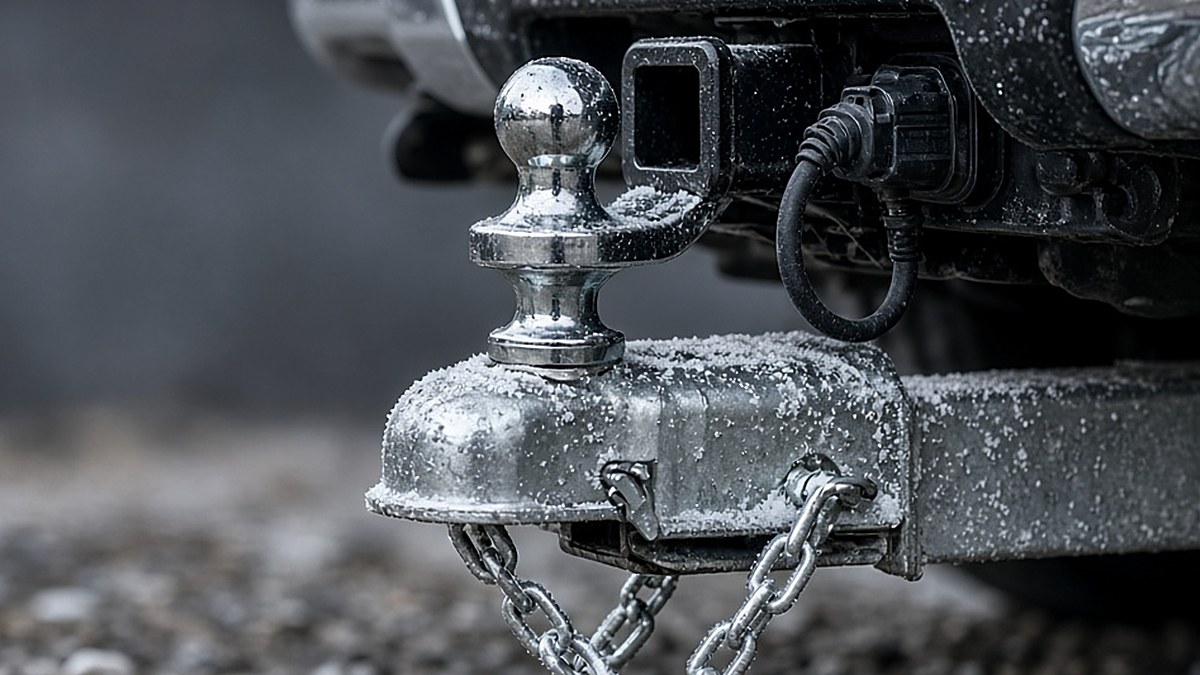
"Towing capacity" sounds like one number. In practice, five ratings decide how much you can safely tow, and the lowest one wins. This section explains each one in plain language, using Alberta's Recreational Vehicle Towing Guide and manufacturers' own towing guides.
The five limits
- GVWR: the most the loaded truck can weigh, including the trailer's tongue weight. It's on the driver's door sticker.
- GAWR, front and rear: the most each axle can carry. Also on the door sticker.
- GCWR: the most the truck and trailer can weigh together. It's in the owner's manual or the maker's towing guide.
- Hitch rating: stamped on the receiver and the ball mount. The lowest-rated part sets the limit.
- The trailer's GVWR: on the trailer's own label, near the front.
Three things people get wrong
- The advertised maximum assumes an empty truck. Alberta's guide says any load in the truck reduces its towing capacity.
- Tongue weight counts as payload. A trailer transfers weight to the truck, and that weight counts against GVWR and the rear axle rating.
- Air bags and overload springs don't raise the ratings. Alberta's guide is explicit on this.
The surest check is a scale. Weigh the truck empty, then again loaded and hitched, and compare every number to its rating.
Start with our step-by-step guide: How to read a truck's towing sticker.
Guides in this section
 Illustrative image
Towing capacity explained
How to read a truck's towing sticker: GVWR, GCWR, payload and tongue weight
What every weight rating on your truck's door sticker means, how to work out your real payload, and why the advertised towing number usually assumes an empty truck.